An unexpected short story in one life
Small, intense lives with a surprising twist of fate have always fascinated me. Kingsley’s life follows that formula. Born on November 15, 1892, he entered a home of fame and misery. His family had literary success and disease, and he was the oldest son. I imagine him as a brief beacon against a storm.
The goal was simple, but the end was devastating. He studied medicine after classical education at a top school. Like many of his generation, he volunteered or was drafted in the 1910s. He was wounded in action and sickened in the 1918 influenza pandemic. He died around 25 in October 1918. Those statistics frame him, not deplete him.
Family and personal relationships
I like tables because they turn genealogy into readable architecture. Here is the family as an immediate structure around him.
| Name | Relation | Born – Died |
|---|---|---|
| Arthur Conan Doyle | Father | 1859 – 1930 |
| Louisa Hawkins | Mother | 1857 – 1906 |
| Mary Louise Doyle | Sister | 1889 – unknown |
| Denis Percy Stewart Doyle | Half brother | 1909 – 1955 |
| Adrian Conan Doyle | Half brother | 1910 – 1970 |
| Jean Conan Doyle | Half sister | 1912 – 1997 |
| Charles Altamont Doyle | Paternal grandfather | 1832 – 1893 |
| Mary Doyle | Paternal grandmother | dates variable |
| John Doyle | Earlier ancestor | historical |
| Catherine Pack | Maternal line | historical |
| Thomas Foley | Maternal line | historical |
Those names stand like stones around a cottage. Some are polished by public attention. Others are weathered and small. I find it human that a boy born into literary fame might still dream of a quiet career in medicine.
Education and early intentions
He left school with modest, definite plans. After a year in Lausanne, he studied medicine in London. He carried notebooks and ambitions rather than titles while studying at a famous hospital. I see him wandering through hospitals with a stethoscope and book. He wanted to heal. Born 1892, attended Eton in the early 1900s, and studied medicine from 1911 to 1914.
War service and injury
War came and remade him as it remade a generation. He served with the medical corps and later with an infantry regiment. He was wounded at the Somme in July 1916. He returned to duty after convalescence and saw more of the western front during the following campaigns. The records speak of him as thorough and steady. They also show the ledger of dates and movements: wounded 1916, back in service 1917, hospital admission late 1918.
Illness and death
The year 1918 reads like an arithmetic of misfortune. Influenza waves swept Europe. The wounds he carried from battle did not spare him from the pandemic. He contracted influenza and then pneumonia and was admitted to a London hospital in October 1918. He died in hospital in late October 1918. The few dates attached to him close the book but leave a margin of unfinished paragraphs. People who knew him left notes about his determination to pursue medical research and about the kindness he showed in small things.
Financial picture and career achievements
He left no medical accomplishments. His student life was disrupted. Long-term hospital appointments, publications, and a corporate ledger are absent. He had family finances. His father’s writing and public speaking income showed in his son’s schooling and chances. He has few estates and probate, so his public attention is on family and military, not finances.
The legacy in a single grave
I have visited many small memorials in my reading. His grave sits in a churchyard in the south of England. For me it is a reminder that fame does not insulate a family from the ordinary account of life and death. He is buried in a quiet plot and his name endures on memorials and in family lists as the eldest son who did not live to practice his art.
Small observations and human textures
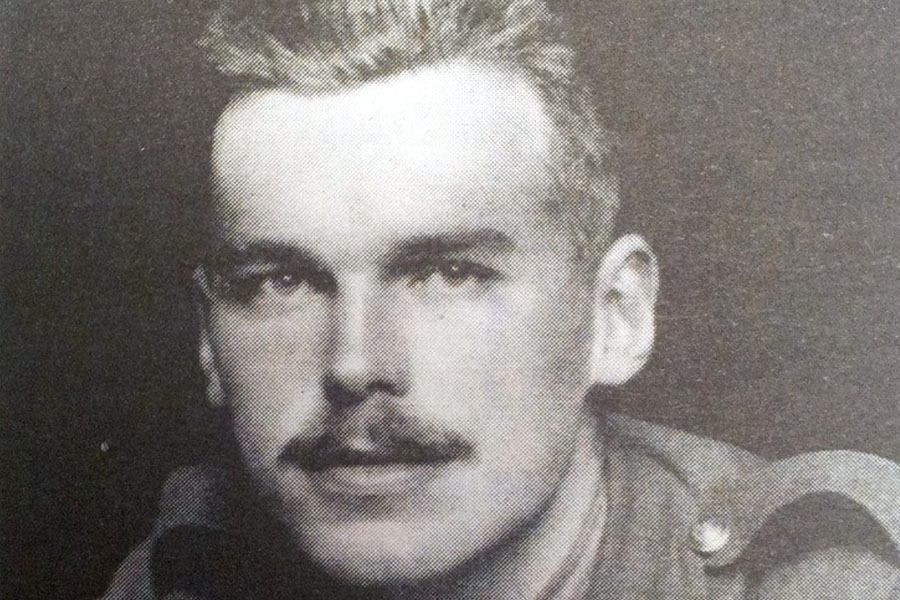
I like to imagine him as a young man in tailcoat and then later in uniform. The contrast is telling. He rubbed shoulders with history yet also encountered the ordinary ailments of youth and war. There is a photograph I carry in my mind: a serious face, short hair, the look of someone who had read widely and wanted to help. There are numbers that echo: 1892 birth, 1916 wound, October 1918 death. Those numbers are the skeleton of his life. The flesh is the small kindnesses, the letters home, the hopes deferred.
FAQ
Who were his parents?
His father was the celebrated author who published widely in the late 19th and early 20th centuries. His mother was his father’s first wife who died when Kingsley was still young. The family combination was literary energy and early domestic sorrow.
Did he have siblings?
Yes. He had a full sister older than him and three half siblings from his father’s second marriage. The half siblings were born after his mother died and they grew to adulthood. None of his siblings created a direct line of descendants that has carried his name in the next generations.
What did he study?
He studied medicine. He trained at a major London medical hospital and intended to pursue a career in medical research and practice.
Did he serve in the military?
Yes. He served in the medical corps and later with an infantry unit during the First World War. He was wounded at the Somme in July 1916 and returned to duty after recovery.
How did he die?
He died of pneumonia following an influenza infection during the pandemic wave of 1918. His wartime wounds and the general conditions of the era helped to shape the circumstances of his illness.
Are there surviving personal writings or publications?
There are no known published medical papers or books authored by him. What survives are mentions in family correspondence and military records, and the traces left on memorials and in cemetery inscriptions.