Basic Information
| Field | Detail |
|---|---|
| Full name | Alexei Grigorievich Bobrinsky |
| Russian name | Алексей Григорьевич Бобринский |
| Birth | 11 April 1762 |
| Death | 20 June 1813 |
| Known for | Founder of the Bobrinsky line of counts; large landowner (Bobriki, Bogoroditsk) |
| Title conferred | Count of the Russian Empire (1796) |
| Major estates | Bobriki, Bogoroditsk; properties in Livonia |
| Marital status | Married Anna von Ungern-Sternberg (m. 16 January 1796) |
| Notable family ties | Widely associated as the son of Empress Catherine II and Count Grigory Orlov |
The opening scene — a secret birth and a throne’s shadow
I like to begin this story as if it were a scene in a period drama: a winter night, a palace buzzing with whispered orders, and a child who would become both an heir to rumor and a pillar of landed power. Alexei Grigorievich Bobrinsky was born on 11 April 1762 — a date that sits like a jewel in the crown of gossip and courtcraft. Imagine the hush that followed, the choreography of concealment and protection; to call his early life “colorful” understates the costume drama of it all.
He is the figure who steps out of Catherine the Great’s entourage of legends — and yet, paradoxically, steps into the quiet of country estates. That transition from the center of imperial rumor to the rhythms of estate management shaped a life that feels, to me, both cinematic and domestic: equal parts cloakroom intrigue and ledger-books.
Family as a cast of characters — births, marriages, and small tragedies
Family, for Alexei, reads like a dramatis personae. He is linked to imperial power and to the Orlov household; later he becomes husband and patriarch, planting the Bobrinsky line into the soil of Russian landed nobility.
| Family member | Relationship | Dates / Notes |
|---|---|---|
| Catherine II | Mother (biological, acknowledged in accounts) | — Empress of Russia; central to Alexei’s origin story |
| Count Grigory Grigoryevich Orlov | Father (biological, reputed) | — Influential courtier and lover of Catherine |
| Anna von Ungern-Sternberg | Wife | m. 16 Jan 1796 — Baltic-German noblewoman |
| Maria Alekseevna | Daughter | 1798–1835 — married Prince Nikolai Gagarin |
| Alexei Alexeevich | Son | 1800–1868 — agriculturalist; continued family line |
| Pavel Alexeevich | Son | 1801–1830 — died young, reported duel in Florence |
| Vasily Alexeevich | Son | 1804–1874 — military service; multiple marriages |
| Nikolay Alexeevich (Raiko) | Reported illegitimate son | 1794–1854 — appears in some genealogies |
Those dates — 1762, 1796, 1800 — they act like drumbeats in a march: the hush of a court secret, the public vow, the steady passing of generations. The Bobrinsky household expanded into the next century, with sons who served in regiments, daughters who married into princely houses, and an inheritance that was as much social as it was financial.
Career notes, ranks, and the arithmetic of land
Alexei’s public life is less about flashy battles and more about titles, ranks, and — crucially — land. He was created a Count in 1796, a formal acknowledgment that converted rumor into recognized standing. Service in the guards, promotions to higher ranks, and the stewardship of estates rounded out a respectable noble career.
| Item | Detail |
|---|---|
| Created Count | 12 November 1796 |
| Main estates | Bobriki; Bogoroditsk; Livonian properties |
| Public roles | Military service in guards; landowner and estate manager |
| Wealth indicator | Large landed holdings and serf labor — the principal capital of the time |
There is no modern “net worth” for a man who lived between 1762 and 1813 — no ticker-tape valuation to paste next to his name. Instead, measure his wealth in hectares, in serf households, in the sugar factories and agricultural rents that kept the family blazing on the social map. To a modern mind, that’s like converting a family heirloom into a stock portfolio — useful for metaphors, but messy in practice.
Anecdotes, portraits, and the afterlife of a name
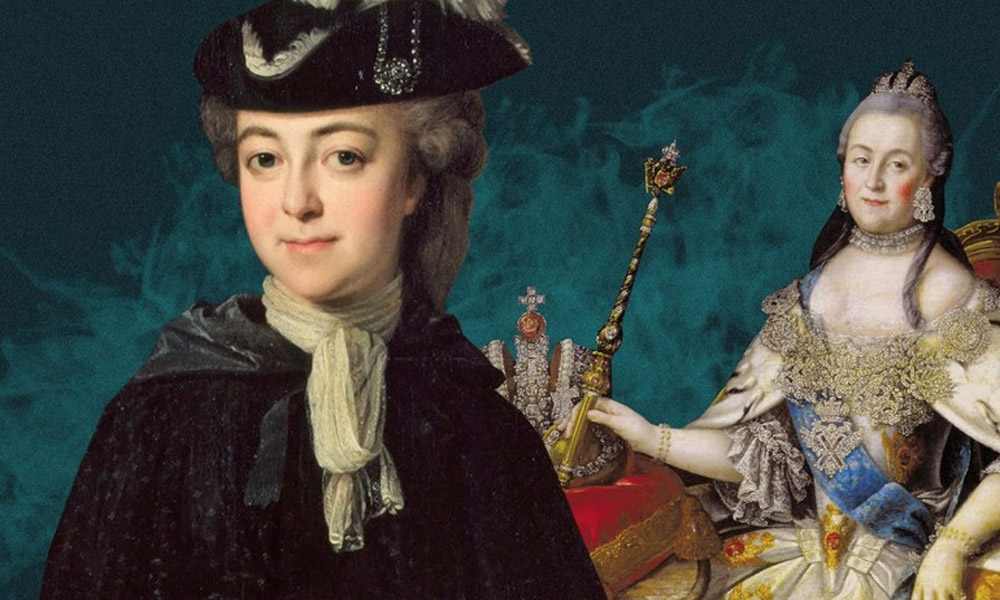
If history were Instagram, Alexei’s feed would be a series of painted portraits — Rokotov-esque eyes, a tilt of the head — and the occasional sepia-tinged estate plan. The fun stuff that makes gossip writers giddy is the origin story: the whispered court acknowledgement, the imperial favor that translated into estates and title. I imagine the Bobrinsky portrait gallery as a playlist: Rokotov, Christinek, an 18th-century Baroque track fading into 19th-century folk.
Stories about duels, unexpected deaths abroad, and marital alliances read like a season arc from a streaming show: a duel in Florence here; an advantageous marriage there. Each detail is a chapter, each marriage a new crossover episode linking the Bobrinskys to Gagarins and other princely lines.
How I like to picture him — up close
Close your eyes and picture a man raised on the periphery of court spectacle yet shaped by earth and ledgers — someone who could sit at a mahogany desk and sign a title deed after breakfast, then spend an evening discussing theater. He embodies the peculiar Russian tension of the age: cosmopolitan court culture bundled up with provincial stewardship. He’s less Gatsby glitter and more old-world landed intrigue — a man whose life reads like a novel with sensible margins.
FAQ
Who were Alexei Grigorievich Bobrinsky’s parents?
Alexei is historically tied to Empress Catherine II as his mother and Count Grigory Grigoryevich Orlov as his reputed father, forming the rumor-and-reality core of his origin story.
When was Alexei Bobrinsky born and when did he die?
He was born on 11 April 1762 and died on 20 June 1813.
What title was he granted and when?
He was created a Count of the Russian Empire in 1796, formalizing his noble status.
Who did Alexei marry and when?
He married Anna von Ungern-Sternberg on 16 January 1796.
What were his main estates?
His principal estates included Bobriki and Bogoroditsk, along with properties in Livonia.
Did Alexei have children?
Yes — among his children were Maria (1798–1835), Alexei (1800–1868), Pavel (1801–1830), and Vasily (1804–1874), with other reported offspring noted in family records.
Is there a modern net worth for him?
No modern net-worth estimate exists; his wealth is recorded in estates, land, and associated revenues rather than in contemporary monetary valuations.
What are the most famous stories about him?
The most enduring tales focus on his secretive birth, connections to imperial power, and the domestic dramas of estate life — a mix of court intrigue and family sagas.