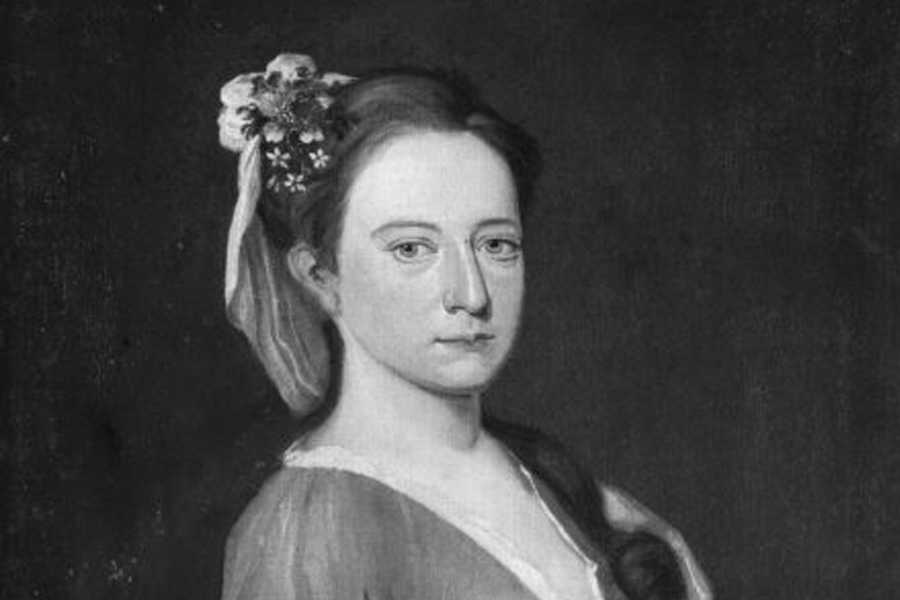
Early life and the soil she came from
I traced this family tree’s branches like an ancient oak’s rings. Mary was born in Henrico County’s Cobbs plantation about 1711. She lived where the James River flowed where ledger entries and home inventories determined status as much as ancestry. John Bolling, her father, was a landowner and public official on county records. Home and ledger were grounded by her mother, Mary Kennon Bolling. Together, they placed Mary in Virginia gentry’s strict society.
Mary’s seasons were marked by harvests, baptisms, and pounds, shillings, and pence inventories. I imagine a young woman managing a huge family, labor, and accounts with the quiet authority of her class. She was the intersection of the Bolling and Kennon families. Marriage would strengthen those bonds.
Marriage, children, and the Fleming connection
On 20 January 1727, Mary married John Fleming and joined a household that combined land, office, and civic reach. Her husband, John Fleming, served in militia and civic roles. The marriage produced children who carried the combined weight of Bolling and Fleming names into the mid 18th century.
One son, William, grew into a public figure in his own right. He is represented in family recollections as William Fleming and later generations remember him as someone who translated his inheritance into civic place. The rest of Mary and John Fleming’s brood populated the counties of Virginia and continued to weave the family into the fabric of local power.
Family at a glance
| Relation | Name | Brief note |
|---|---|---|
| Paternal grandfather | Robert Bolling | Merchant turned planter, English origin |
| Paternal grandmother | Jane Rolfe | Connected to the Rolfe line |
| Maternal grandfather | Richard Kennon | Local planter family |
| Maternal grandmother | Elizabeth Worsham | Member of Worsham family |
| Husband | John Fleming | Militia officer and local official |
| Noted child | William Fleming | Later public figure |
| Ancestor | Thomas Rolfe | Earlier Rolfe generation |
| Ancestor | Jane Poythress | Poythress family line |
| Ancestor | Mary Clark | Earlier maternal line member |
| Ancestor | William Worsham | Worsham family ancestor |
| Place of birth | Henrico County | Tidewater Virginia |
| Plantation | Cobbs plantation | Family seat |
What daily life looked like for her
I imagine Mary standing at a window looking out over fields where tobacco was cured and where accounts were tallied in columns. She moved in a world that measured influence in acres and in signatures on wills. Women of her standing seldom recorded their own public deeds. Instead their work is visible in the ledgers they influenced, the marriages they arranged, and the children they raised. In Mary’s case those children became bridges to other families, and through them she influenced events after her death in ways she might not have foreseen.
She died on 10 August 1744. The date sits starkly in registers. It marks the end of a brief life by modern standards, and a life that nonetheless mattered through its connections.
Timeline
| Year | Event |
|---|---|
| c. 1711 | Birth at Cobbs plantation |
| 20 Jan 1727 | Marriage to John Fleming |
| 1727 to 1744 | Births of multiple children including William Fleming |
| 10 Aug 1744 | Death and burial in family cemetery |
| 1729 | Death of her father John Bolling, estate matters follow |
Numbers, dates, and estate entries form the scaffolding of her story. They are the bones beneath the flesh of family lore.
Finance and estate imprint
I analyze inventories and wills like brushstrokes in paintings. Estates included land, slaves, animals, and household goods. Mary changed household ledgers when she married. County probate records show her father’s estate passed wealth to subsequent generations. She earned no public money. She left her wealth in dowries, legacies, and the list of heirs who acquired property and persons.
Power and money circulated then. A tide economy. One household rose because another’s obligations fell. Marriage can both a ledger entry and a long-term investment.
The family story as living memory
I find that family trees are like mirrors that show more than blood. They reflect choices about who to remember and how to remember them. Through her grandparents, Mary connected to the larger narrative of colonial Virginia. Through her children she transmitted property and social capital. Through quiet household management she helped sustain an economy that shaped the region.
FAQ
Who was Mary Bolling Fleming?
Mary was a Virginia woman born around 1711 at Cobbs plantation in Henrico County. She was the daughter of John Bolling and Mary Kennon, and she married John Fleming on 20 January 1727. She died on 10 August 1744.
What families was she connected to?
She connected the Bolling family and the Kennon family by birth, and the Fleming family by marriage. Her paternal line included Robert Bolling and Jane Rolfe. Her maternal line included Richard Kennon and Elizabeth Worsham.
Did she have children who became notable?
Yes. One son, William Fleming, became a public figure and is recorded in family recollections as a judge and political actor in Virginia. Other children also continued local family lines.
What did she leave behind financially?
She left a legacy typical for women of her class: land passed through family wills, household goods listed in inventories, and a list of heirs. Her family fortunes were tied to plantation agriculture and local offices.
Where did she live?
She lived in the Tidewater region of Virginia, primarily in Henrico County, at Cobbs plantation and in family properties associated with the Bolling and Fleming holdings.
Why does her name still appear in genealogies?
Her name remains because she sits at a junction of families that continued to shape Virginia politics and society. Dates, marriages, and estate inventories make her a fixed point for descendants and historians who track lineage and inheritance.